
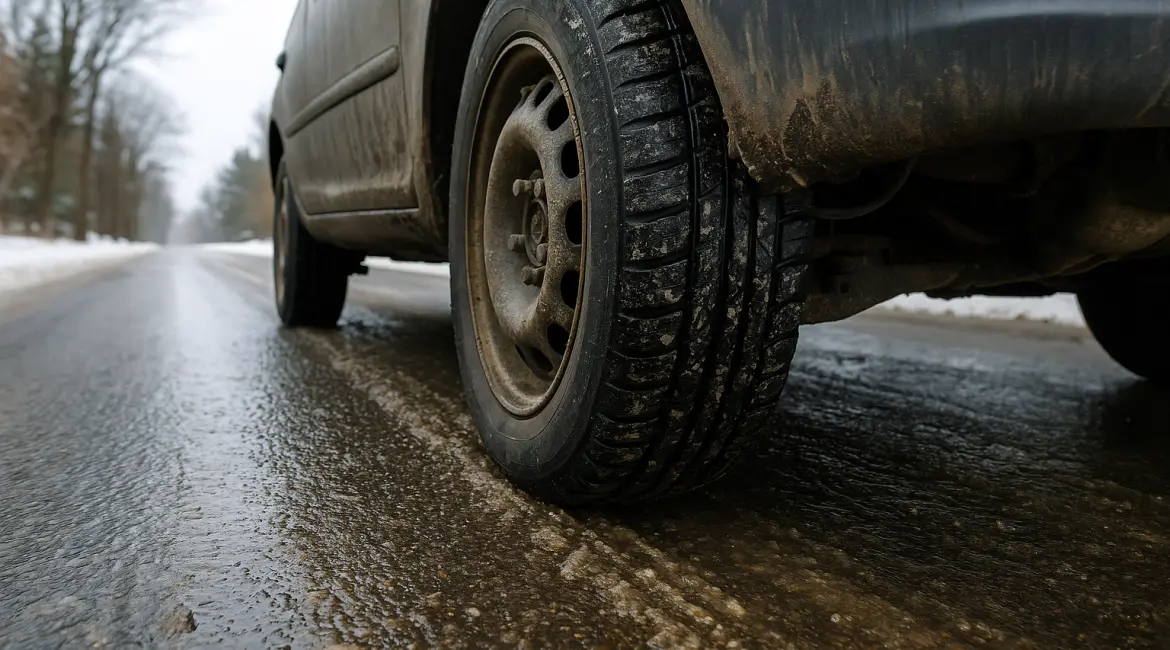
Whether you’re cruising down Route 29 toward the scenic James River Heritage Trail or commuting past Jefferson Forest High School on your way to work, Virginia’s ever-changing weather is always in the mix. Rain, sleet, and road salt are part of daily life for drivers around Madison Heights, and while you’re navigating scenic backroads or parking at the Madison Heights Walmart, your car could be silently suffering from the elements.
At Chrome Auto Repair in Madison Heights, VA, we’ve seen firsthand what unchecked moisture, corrosion, and salt exposure can do to even the most cared-for vehicles. Our ASE certified mechanics have decades of experience spotting the hidden signs of seasonal wear. In this article, we’re breaking down how weather wears down your car and how to protect your investment like a pro.
How Rain Affects Your Vehicle’s Vital Systems
Let’s start with what Virginia drivers see most: rain. While it might seem harmless, persistent moisture can do real damage to your vehicle’s brake system, electrical components, and even cabin interior.
Rainwater often splashes road debris and contaminants directly into the brake system. Over time, this can lead to rust on the rotors, compromised braking power, and premature wear on pads and calipers. If you’ve recently driven through a heavy downpour and feel a slight delay when braking or hear squealing sounds, it’s time for an inspection. The Brake Service experts at Chrome Auto Repair handle everything from squealing pads to full rotor replacements before minor issues become major repairs.
Additionally, modern vehicles are loaded with sensors and control modules. Water finds its way into wiring harnesses and connection points, which can trigger false dashboard warnings, flickering lights, or full system failures. Even a temporary short can cause headaches if ignored. Cabin moisture is another issue—foggy windows and musty smells may indicate water ingress that can damage electronics hidden under seats or carpets.
Routine inspections and sealing vulnerable areas help prevent water related issues. Don’t let a rainstorm become the reason you’re stranded on Route 29.
Rust: The Hidden Destroyer Beneath Your Ride
Rust isn’t just cosmetic; it’s structural sabotage. Most corrosion starts in places you can’t see: under the car, near the exhaust, around wheel wells, and inside suspension joints. Once it takes hold, it spreads fast.
In our experience as ASE certified mechanics, once rust sets into critical areas like the frame, suspension mounts, or brake lines, safety is compromised. A vehicle may appear clean on the surface while hiding dangerous decay underneath. Rusted brake lines can leak or burst, corroded suspension mounts can weaken stability, and a rusted exhaust system may leak carbon monoxide.
A big reason why drivers miss rust? It creeps in silently, especially during damp Virginia seasons. Moisture, salt, and road debris combine to form a perfect storm of corrosion. We recommend regular Auto Repair & Undercarriage Inspections to detect early signs of rust damage. These checks are especially crucial if your vehicle is parked outside year round, driven on gravel, or sees highway use during salted winter months.
FAQs About Rust and Moisture Damage
Can I see rust starting on my own?
You might spot flaking paint or small orange streaks on wheel wells or frame rails, but true rust damage often starts where you can’t see it, under protective covers or beneath the vehicle.
How often should I have my vehicle inspected for rust or water damage?
Every 6 months is ideal, especially if your car is exposed to rain, snow, or salt. If you hear squeaks, feel stiffness in steering, or see discoloration under the car, book a visit ASAP.
Can rainwater damage my vehicle’s electronics?
Yes. Water infiltration into electronic systems can cause shorts, sensor failures, and misleading dashboard alerts.
Is undercoating worth it in Virginia?
Absolutely. Even though our winters aren’t as severe as up north, road salt is still used here and moisture levels are high. Undercoating adds a layer of protection against long term corrosion.
Road Salt: Winter’s Hidden Hazard
While Virginia doesn’t see the snow levels of New England, our roads are still routinely treated with salt during icy periods. Even small amounts of salt are enough to speed up corrosion dramatically.
Salt lingers in wheel wells, undercarriage cavities, and suspension points. When mixed with moisture, it becomes a corrosive cocktail that quickly eats through metal. Our team frequently sees vehicles with severe rust after just one neglected winter season, especially if they aren’t washed thoroughly, including the undercarriage.
Road salt is especially damaging to brake lines, fuel lines, and suspension joints. When these parts corrode, repairs become not just costly but critical for safety. Loose sway bar links, rusted subframes, and even hole riddled mufflers are all too common.
Pro Tip: After any winter storm, schedule a full undercarriage wash or bring your vehicle in for a post winter inspection. Preventative cleaning can extend the life of your suspension, brake lines, and exhaust system significantly. Make sure to remove compacted snow from inside your wheels; it traps salty slush right next to sensitive components.
According to AAA’s winter driving tips, consistent washing and inspections are critical for vehicle longevity in salted regions.
How to Protect Your Vehicle from Weather Damage
Here’s what we recommend to keep your vehicle weatherproof in the face of Virginia’s climate. These practices not only extend the life of your vehicle but help you avoid expensive repairs and increase resale value:
- Schedule seasonal inspections to catch early damage before it worsens, especially after heavy rain or winter storms.
- Wash your car, including the undercarriage, every 2 to 3 weeks in winter. Use high pressure sprayers to dislodge packed snow and salt.
- Apply protective coatings or undercoating treatments to block moisture and salt from reaching exposed metal.
- Garage your car or use a quality car cover. Keeping your vehicle dry can cut rust risk by more than half.
- Replace worn brake pads and inspect rotors after a wet season. Moisture can warp or corrode brake components quickly.
- Use all weather floor mats and rubber liners to protect your interior from melted snow and mud buildup.
At Chrome Auto Repair, we make it easy to stay on top of these practices. We offer free coffee, Uber shuttle rides, and a 3/36 O’Reilly backed warranty, so protecting your vehicle doesn’t disrupt your day.
Don’t Wait for Damage to Show
Virginia’s weather won’t be changing anytime soon, but how your car handles it can. Whether you’re prepping for a rainy spring or de-salting after a snowy week, your best defense is expert care and preventative maintenance.
Your vehicle deserves better than rusted bolts and corroded lines. Call us today at 434-219-6443 or schedule your appointment online. We’ll make sure your vehicle stands up to every storm and looks good doing it.
