
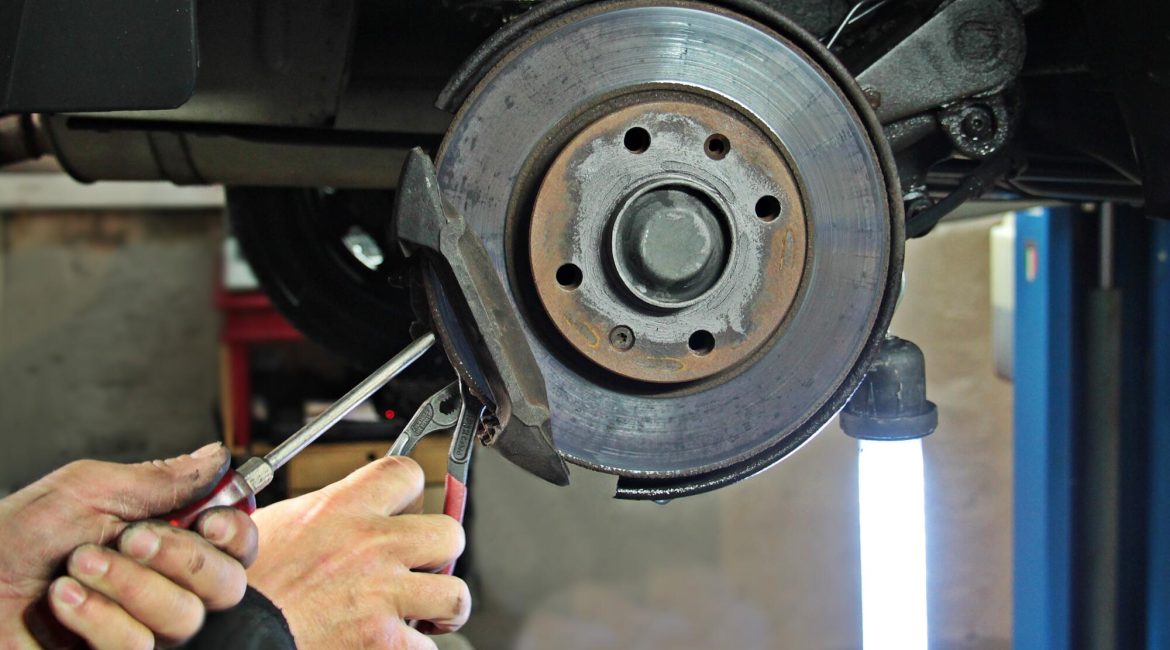
Your car’s brakes are one of its most important elements, but one that can quickly wear down and need service. How long your brakes last depends on how you drive your car. For example, cars driven primarily on the highway can have their brakes last for up to 70,000 miles while cars driven in stop-and-go city driving may have them lasting around 15,000 to 30,000.
Being able to diagnose brake issues before they become worse is key. You can prevent major safety issues from occurring while protecting yourself and other drivers. This blog will cover common car brake problems and when you should visit an auto repair shop.
Noises Coming From Your Brakes
The last thing you want to hear is noises when you apply your car’s brakes. Noise may occur if your brake pads are dirty or when there are more serious issues.
Grinding Noises
A harsh and loud grinding noise could indicate that your brake pads are very worn down. The metal backing of your brake pads may be rubbing directly against the brake rotors. This can create an abrasive grinding noise that should be checked out by a mechanic.
Squealing or Squeaking
Squeaking or squealing could be a sign that your brake pads are starting to wear thin. Most brake pads have a small metal piece called a wear indicator.
When your brake pads wear down to a specific point, the wear indicator metal piece makes contact with the brake rotor. This causes a squeaky sound that indicates you should get your brake pads checked.
Issues With Your Brake Pedals
The brake pedal is located on the left-hand side of the driver’s footwell. There can sometimes be problems with this mechanism in your vehicle.
Hard Brake Pedal
You may be having issues with your vehicle’s brake booster if you have a hard brake pedal. The brake booster is essential to helping you easily stop your car. A faulty brake booster can make it challenging for you to depress the brake pedal.
Common issues that can affect the brake pedal include:
- Faulty check valve
- Vacuum leak
Making an auto brake maintenance appointment can help prevent problems from arising with the brake pedal.
Spongy or Soft Pedal
You should feel some resistance when you press down on your brake pedal. The last thing you want to feel is like you’re stepping on soft fruit. If you’re dealing with a soft or spongy pedal, the pedal may go all the way down to the floor, or easier than normal.
You may have issues with your brake system’s hydraulic parts if you feel this sensation. These parts work together to transfer your foot’s force from the pedal to the wheel’s brakes.
Prevent Brake Issues by Scheduling a Brake Repair Appointment
Knowing the basics of brake troubleshooting can help you diagnose some brake issues. However, it’s important to schedule an appointment with a mechanic if you sense any issues with your brake system. Waiting too long to address them could cause serious problems.
At Chrome Auto Repair, we help car owners take better care of their vehicles. We offer many services, such as brake repair, engine repair, and diagnostics. Contact our office to schedule a routine maintenance appointment today.
