Why Tire Blowouts Can Happen Without Warning on Virginia Highways
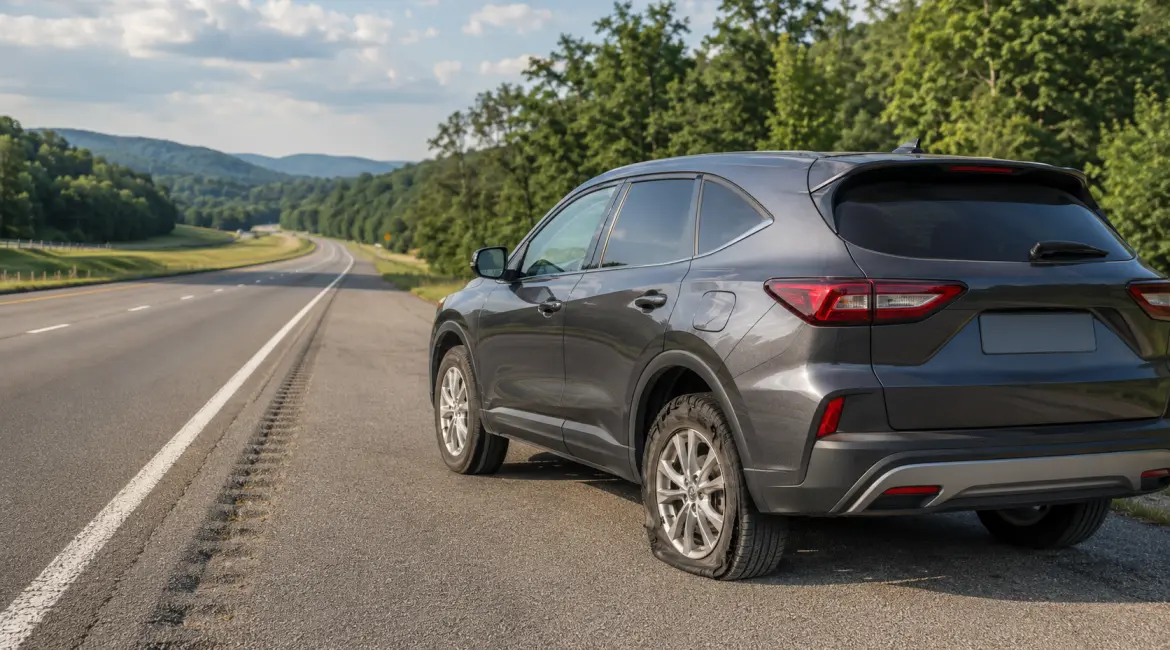
A tire blowout can feel completely unexpected. One moment the vehicle is moving normally on Route 29, and the next there is a loud report, a rapid change in handling, and a struggle to keep the vehicle in its lane. In most cases, however, the failure did not begin at that moment. The tire may have been losing pressure, flexing excessively, aging, or carrying hidden impact damage for weeks or months.
Most tire blowouts develop from underinflation, impact damage, overloading, excessive heat, age-related deterioration, or an improper previous repair. Checking pressure, load, age, wear, and structural condition can identify many of these risks before highway travel.
That distinction matters for drivers traveling between Madison Heights and Lynchburg, using rural Amherst County roads, towing equipment, or preparing for a long summer trip. Heat, speed, potholes, vehicle load, and neglected pressure checks can turn a limited problem into a roadside emergency.
Chrome Auto Repair is a family-owned Madison Heights shop established in 2020. Its ASE-certified technicians bring more than 25 years of automotive experience to tire, wheel, alignment, and suspension inspections. The shop is BBB Accredited, offers Falken tires, provides transparent estimates, and obtains customer approval before repairs begin. Qualifying repairs are covered by an O’Reilly-backed 3-Year/36,000-Mile Warranty.
The goal of a tire safety inspection is not to sell four tires whenever one concern appears. It is to determine whether the tire is safe, whether a repair meets industry guidelines, and whether a wheel, alignment, or suspension problem caused the damage. Many tire failures can be prevented when those questions are answered before the vehicle returns to highway speed.
What Actually Happens During a Tire Blowout?
A tire is much more than a ring of rubber. It works like a reinforced pressure vessel made from an inner liner, tire carcass, internal cords, steel belts, tread, sidewall, and bead. Air pressure supports the load, while the cords and belts control the tire’s shape as it flexes and rolls.
When one part of that structure weakens, the remaining material has to carry more stress. An underinflated sidewall bends farther on every rotation. Broken cords around an impact break allow a localized bulge to form. Moisture entering through an improper puncture repair can reach steel belts. Age and weather cracking can reduce the rubber’s ability to protect the structure beneath it.
The final failure may take several forms:
- A sidewall rupture releases air almost instantly.
- Tread separation allows part of the tread and belt package to detach from the tire carcass.
- An internal cord failure creates distortion, heat, or vibration before the tire loses integrity.
- A puncture or damaged valve stem causes rapid pressure loss, which can destroy the tire if the vehicle continues moving.
As pressure disappears, the contact patch changes and steering precision drops. A front-tire failure may pull the steering and make directional control difficult. A rear-tire failure may cause the back of the vehicle to feel loose or begin moving sideways. The exact response depends on vehicle design, speed, road surface, and load.
What sounds like a sudden event is often the last stage of damage that developed gradually.
The Most Common Causes of Tire Blowouts
Underinflated Tires Create Heat From the Inside
Underinflation is one of the most preventable tire blowout causes. A tire with low pressure flattens more at the contact patch, forcing the sidewall to flex farther as it enters and leaves the road surface. That repeated bending creates heat inside the tire.
During a sustained Route 29 drive, heat can weaken internal cords, the inner liner, and the bond between the tread and steel belts. A loaded SUV, work truck, or tow vehicle places even more demand on the same underinflated structure. Because a tire can be dangerously low before it looks flat, use a gauge instead of judging by appearance.
Overinflated Tires Are More Vulnerable to Impacts
Overinflation does not usually create the same heat pattern as underinflation, but it creates different problems. Too much pressure can reduce impact absorption, change the contact patch, increase center tread wear, and make the tire more vulnerable when it strikes a pothole, curb, or road debris.
The correct inflation pressure is listed on the driver’s door placard or in the owner’s manual. The maximum sidewall pressure is a tire limit, not the recommended setting for every vehicle carrying that tire size.
Potholes and Curbs Can Cause Delayed Failure
A hard impact can pinch the tire between the road hazard and wheel. The outside may show only a scuff, while internal cords break beneath the rubber. The impact can also bend the wheel, damage the bead area, or create a slow leak that appears days later.
A sidewall bubble, new vibration, repeated pressure loss, or steering change after an impact deserves inspection even if the tire still holds air.
Heat, Speed, and Load Compound Existing Damage
Central Virginia summer pavement, long highway drives, heavy cargo, and towing do not create every tire defect. They expose weaknesses by increasing temperature and structural load. A marginal tire that seems normal during short trips may overheat during two hours of continuous highway driving.
Speed also increases the number of flex cycles and the energy involved in an impact. Drivers should pay attention to the vehicle manufacturer’s load limits, the tire load rating, cargo weight, trailer tongue weight, and gross vehicle weight rating.
Tire Age Matters Even When Tread Remains
Rubber changes as it ages and is exposed to heat, sunlight, oxygen, and storage conditions. Dry rot, weather cracking, hardened rubber, and belt deterioration can appear even on a low-mileage vehicle. The last four digits of the DOT date code identify the week and year of manufacture, but replacement decisions should also consider manufacturer guidance, cracking, service history, storage, load, and inspection findings.
Overloaded Vehicles Add Stress to Every Tire
Vacation cargo, tools, passengers, and towing equipment can push a vehicle beyond its intended load. Extra weight increases tire deflection and operating temperature while reducing handling reserve. Rear tires may be especially vulnerable when cargo or trailer tongue weight is concentrated behind the vehicle.
The correct limits are found on the vehicle labels and in the owner’s manual. They cannot be increased by simply adding more air or installing a tire with a higher maximum sidewall pressure without considering the full vehicle specification.
Improper Puncture Repairs Can Hide Internal Damage
Not every puncture can be repaired safely. A repair is generally limited to an appropriate injury within the repairable tread area, after the tire has been removed from the wheel and inspected internally. The industry-recommended puncture repair process uses both a stem to fill the injury and a patch to seal the inner liner. An outside plug by itself does not provide the same inspection or repair.
Shoulder damage, sidewall damage, overlapping repairs, larger punctures, exposed cords, run-flat damage, or evidence that the tire was driven while severely underinflated can rule out repair. Chrome Auto Repair bases the recommendation on the tire’s actual condition and applicable manufacturer guidance.
Visible and Hidden Signs a Tire May Be Unsafe
A Sidewall Bubble Indicates Broken Structure
A sidewall bubble is not cosmetic. It usually means internal cords have been damaged and air pressure is pushing the rubber outward through a weakened area. The bubble may grow or rupture without additional warning. Do not drive on a tire with a sidewall bubble; arrange replacement or roadside assistance.
Cracks and Dry Rot Require More Than a Tread Check
Fine surface lines do not all carry the same severity, but deep cracking, exposed material, cracking around the bead, or widespread weather deterioration needs professional evaluation. Good tread depth does not restore strength to aged sidewall rubber or damaged internal components.
Tread Separation Often Begins With Vibration or Thumping
When the tread and steel-belt package begins separating from the tire carcass, the tire may no longer rotate uniformly. The driver may feel highway tire vibration, hear a rhythmic thump, or see a raised or distorted section in the tread.
Do not assume a new highway-speed vibration only needs wheel balance. Separation, a bent wheel, an impact break, or a wheel-end problem can produce similar symptoms.
Exposed Cords Mean the Tire Is Out of Service
Steel or fabric cords may become visible after severe wear, rubbing, alignment problems, or physical damage. Once cords are exposed, the tire has lost protective rubber and structural margin. It should not be driven.
Uneven Tread Wear Points to a Cause Beyond the Tire
Wear on one edge may indicate wheel alignment concerns. Cupping can be associated with worn shocks, struts, wheel balance, or looseness. Feathering may reflect toe misalignment. Center or shoulder wear can also reflect an inflation pattern.
Replacing the tire without addressing worn tie rods, ball joints, suspension components, or incorrect alignment can allow the new tire to develop the same damage. A professional wheel alignment evaluation should include attention to the cause of the wear, not just the steering wheel position.
Repeated Air Loss Should Be Diagnosed
A recurring low tire may have a puncture, leaking valve stem, damaged bead, corroded sealing surface, bent wheel, or internal damage. Repeatedly adding air does not correct the leak, and every period of underinflated driving adds heat and flex.
Highway-Speed Vibration Deserves Prompt Attention
Balance issues are common, but vibration can also come from tire separation, wheel damage, a wheel bearing, hub assembly, or suspension looseness. If vibration appears suddenly, worsens with speed, follows a pothole impact, or comes with a visible tire distortion, avoid highway driving until the cause is identified.
One condition technicians regularly find is a tire with acceptable tread depth and hidden internal damage from an earlier impact. Tread alone cannot establish that the tire is safe.
Tire Blowout Risk Comparison Guide
| Tire Condition | Blowout Risk | Recommended Action |
|---|---|---|
| Slightly low pressure | Moderate | Inflate correctly and inspect for leakage |
| Sidewall bubble | Extremely high | Do not drive; replace the tire |
| Exposed cords | Critical | Stop driving and arrange assistance |
| Deep sidewall cracks | High | Inspect immediately |
| New highway vibration | Moderate to high | Diagnose before highway driving |
| Uneven tread wear | Moderate | Inspect alignment and suspension |
| Repeated pressure loss | High | Find the leak before continued use |
| Older tire with deterioration | Increasing | Evaluate age, condition, and history |
This table guides urgency rather than diagnosing a specific tire. Pressure, age, load, service history, and damage location must be considered together.
Why Virginia Highway Driving Increases Blowout Risk
Route 29 combines sustained speed, summer heat, and limited room to react when a vehicle becomes unstable. Rural Amherst County roads add potholes, debris, and narrow shoulders. Heavy rain further reduces traction and can hide road hazards.
Consider a tire that is only slightly underinflated. Around Madison Heights, the vehicle may feel normal during ten-minute trips. Loaded for a summer vacation, that same tire flexes more under cargo weight. Highway speed raises its operating temperature, and the existing weakness finally reaches a point where the internal structure can no longer carry the load.
Heat, speed, and vehicle load often work together. That is why a cold pressure check and visual inspection before a long drive provide more useful information than waiting for the tire pressure warning light.
What Should You Do If a Tire Blows Out?
The safest response depends on traffic, road geometry, speed, weather, and vehicle behavior. The goal is to keep the vehicle stable while reducing speed gradually. These steps follow the same basic approach described in state emergency-driving guidance.
- Hold the steering wheel firmly with both hands.
- Look where you want the vehicle to travel and keep steering inputs smooth.
- Do not slam on the brakes or make an abrupt steering correction.
- Ease off the accelerator and allow the vehicle to slow in a controlled manner.
- Activate the hazard lights when you can do so without losing control.
- Move toward a safe stopping location after speed has decreased and surrounding traffic permits.
- Stop as far from moving traffic as practical and call roadside assistance when changing the tire would expose you to traffic or unstable ground.
Front and Rear Blowouts Can Feel Different
A front blowout may cause a strong steering pull and vibration through the wheel. A rear blowout may make the vehicle feel loose, produce yaw, or cause the rear to step sideways. A loaded pickup, SUV, or trailer combination may react differently from a small sedan.
Do not attempt a sudden correction based only on which tire you think failed. Maintain smooth steering and let speed decrease before moving off the roadway.
Stopping Safely on Route 29
If possible, choose a wide shoulder, parking area, or exit rather than stopping beside fast traffic. Do not stand next to the damaged tire on the traffic side of the vehicle. If the shoulder is narrow, the ground is soft, or visibility is poor, remain protected and contact emergency or roadside assistance as appropriate.
Why the Tire Pressure Warning Light Does Not Prevent Every Blowout
The tire pressure monitoring system, or TPMS, is designed to warn about pressure, not every form of tire damage. Depending on the vehicle, it measures pressure directly through sensors or estimates differences through wheel-speed data.
TPMS does not inspect:
- Sidewall bubbles or broken internal cords
- Tread separation
- Dry rot and weather cracking
- A bent wheel or impact break
- Exposed cords
- Improper previous repairs
- Alignment or suspension wear
A tire can be at the correct pressure and still have serious structural damage. The warning threshold may also allow a meaningful pressure loss before the light appears, so the absence of a warning does not replace monthly checks with a gauge. The NHTSA tire safety guidance recommends regular pressure checks, inspection for damage, attention to load limits, and checks before long trips.
How Chrome Auto Repair Inspects Tires for Hidden Damage
A complete inspection begins with the driver’s observations. When did the vibration begin? Did the vehicle hit a pothole? Does one tire repeatedly lose air? Was the vehicle towing or heavily loaded? Did the concern begin after a previous repair?
The inspection path may include:
- Measure cold tire pressure and compare it with the driver’s door placard.
- Measure tread depth across each tire and evaluate the wear pattern.
- Read the DOT date code and inspect for age-related deterioration.
- Check the tread, shoulder, sidewall, bead, valve stem, and wheel.
- Look for bubbles, impact breaks, cuts, punctures, exposed cords, and distortion.
- Evaluate previous repairs and remove the tire for internal inspection when appropriate.
- Check wheel balance, road-force variation, alignment, and suspension when vibration or wear points beyond the tire.
- Explain the evidence, obtain approval, and verify pressure and completed work before delivery.
A tread-depth measurement alone cannot reveal inner-liner damage, broken sidewall cords, a weak repair, or a bent wheel. Accurate diagnosis prevents a safe tire from being replaced unnecessarily and prevents a structurally damaged tire from being returned to service.
Repair or Replace? How the Safest Solution Is Determined
A puncture may be repairable when it is confined to the repairable tread area, within the applicable size limit, separated from previous repairs, and free from internal structural damage. The tire must be removed so the inner liner and injury path can be inspected. A proper patch-plug repair seals the liner and fills the puncture channel.
Replacement is generally the safer recommendation when there is:
- Sidewall or shoulder damage
- Broken or exposed cords
- Tread separation or distortion
- Severe dry rot or weather cracking
- Damage caused by driving while significantly underinflated
- An improper or overlapping previous repair
- Damage outside manufacturer or industry repair guidelines
- Age or overall condition that makes continued service unreasonable
Whether one tire, two tires, or a full set should be replaced depends on tread-depth differences, axle placement, drivetrain design, vehicle manufacturer requirements, tire size and type, and the condition of the remaining tires. All-wheel-drive vehicles can have stricter allowable circumference differences.
Chrome Auto Repair explains those factors rather than treating every puncture as repairable or every tire concern as a four-tire sale. When tire replacement in Madison Heights, VA is necessary, the recommendation accounts for the vehicle, remaining tires, and actual damage. Drivers can also review practical guidance on when to replace or rotate tires as part of planning ongoing maintenance.
Real Tire Conditions Frequently Found in Madison Heights
These are representative inspection patterns, not claims about specific customers.
Good Tread Hides Sidewall Deterioration
A low-mileage vehicle arrives with plenty of tread but deep cracking around the sidewalls and bead area. The owner checked tread depth but did not realize that rubber condition and age also affect serviceability.
A Balance Complaint Is Actually Belt Separation
A driver reports vibration only above 55 mph and expects wheel balancing. Inspection finds a distorted tread area consistent with internal separation. Adding weights would not correct the structure of the tire.
Uneven Wear Begins in the Suspension
One tire develops severe edge wear while the others look better. Alignment measurement and suspension inspection reveal looseness in a worn component. Replacing only the tire would leave the cause in place.
These examples show why tire diagnosis should consider the tire, wheel, vehicle load, alignment, and suspension as one system.
Tire Pressure, Weather, and Heat: What Every Driver Should Know
Pressure changes with temperature. Colder weather lowers tire pressure, while driving warms the tire and raises the reading. That increase is expected and should not be corrected by bleeding air from a hot tire simply because the number is higher than the cold specification.
For an accurate routine check:
- Measure pressure before driving or after the vehicle has been parked long enough for the tires to cool.
- Use the driver’s door placard or owner’s manual, not the maximum pressure molded into the tire sidewall.
- Check all road tires and the spare.
- Recheck pressure when Central Virginia temperatures change substantially.
- Investigate any tire that needs air repeatedly.
Pressure is only one part of the inspection. A tire at the correct psi can still have age deterioration, an impact break, or tread separation.
Preparing Your Tires Before a Long Virginia Road Trip
A family leaving Madison Heights for a summer vacation or mountain trip places different demands on the vehicle than a normal commute. Check the tires before loading the vehicle, then confirm that passengers, cargo, and towing requirements remain within the vehicle’s limits.
- Check cold tire pressure, including the spare.
- Inspect tread depth, wear patterns, sidewalls, and visible damage.
- Confirm that the TPMS warning light proves out normally at startup and remains off.
- Check the vehicle load limit, cargo distribution, and towing specifications.
- Confirm that the spare, jack, wheel-lock key, and roadside equipment are present.
- Schedule inspection before the trip if the vehicle pulls, vibrates, loses air, or recently struck a pothole.
A professional tire inspection and repair evaluation can identify concerns that are difficult to see while the tire remains on the vehicle.
Preventive Maintenance That Helps Reduce Blowout Risk
Most prevention is straightforward, but it has to be consistent:
- Check tire pressure monthly and before long trips.
- Rotate tires as specified and investigate uneven wear instead of assuming rotation will correct it.
- Check alignment and suspension condition when handling or wear changes.
- Use a proper internal repair only when the injury qualifies.
- Replace tires with unsafe age deterioration or structural damage.
- Diagnose vibration promptly and stay within vehicle and tire load limits.
Preventive maintenance cannot stop every road hazard, but it can keep a small pressure loss, alignment problem, or hidden defect from becoming a highway failure.
Common Tire Blowout Myths
Myth: Good Tread Means the Tire Is Safe
Tread depth does not reveal a sidewall impact break, age deterioration, inner-liner damage, or belt separation. Tread is important, but it is not the complete inspection.
Myth: A Sidewall Bubble Is Only Cosmetic
A bubble indicates that pressure is pushing against weakened internal reinforcement. It cannot be patched or ignored safely.
Myth: Only Inexpensive Tires Blow Out
Any tire can fail after underinflation, impact damage, overloading, aging, improper repair, or neglected maintenance. Brand quality matters, but it cannot overcome unsafe operating conditions.
Myth: Every Puncture Can Be Repaired
Repair depends on injury location, size, angle, internal condition, repair history, tire design, and manufacturer guidance. Sidewall and shoulder injuries generally require replacement.
Why Madison Heights Drivers Choose Chrome Auto Repair
Chrome Auto Repair evaluates more than tread depth. Its technicians consider pressure, tire age, repair history, sidewall and tread condition, wheel damage, balance, road-force variation, alignment wear, vehicle load, and suspension condition before making a recommendation.
The family-owned shop combines ASE-certified experience with honest explanations and customer approval before work begins. Falken tire availability gives drivers replacement options when a tire cannot be repaired safely. Qualifying repairs include an O’Reilly-backed 3-Year/36,000-Mile Warranty.
Complimentary shuttle or Uber assistance can help customers continue their day, and free coffee is available for those who wait. More important, the estimate should explain why a tire is repairable, why replacement is necessary, and whether another vehicle condition contributed to the damage.
The questions below address the decisions drivers most often face after noticing pressure loss, vibration, impact damage, or an unsafe tire condition.
Frequently Asked Questions About Tire Blowout Prevention
What causes most tire blowouts?
Common causes include underinflation, impact damage, overloading, excessive heat, tire age, tread separation, and improper puncture repairs. Failures often result from multiple factors, such as a low tire carrying vacation cargo at highway speed.
Can low tire pressure cause a blowout?
Yes. Low pressure increases sidewall flex and internal heat. Continued high-speed or heavily loaded driving can damage cords, the inner liner, and belt bonds even if the tire does not initially look flat.
Can an overinflated tire blow out?
It can. Overinflation may reduce impact absorption and make the tire more vulnerable to potholes and debris. Use the vehicle’s specified cold pressure rather than the maximum pressure on the tire.
Is it safe to drive with a sidewall bubble?
No. A bubble indicates damaged internal reinforcement. The tire can rupture without additional warning and should be replaced without driving on it.
Can a tire blow out even with good tread?
Yes. Tread depth does not show broken cords, age deterioration, inner-liner damage, a failing repair, or belt separation.
How old is too old for a tire?
There is no single inspection result based on age alone. Review the tire manufacturer’s guidance and consider the DOT date code, cracking, storage, heat exposure, service history, and physical condition. Older tires deserve increasingly careful inspection.
Can pothole damage cause a delayed blowout?
Yes. A pothole can break internal cords or bend the wheel while leaving little visible exterior damage. A bubble, vibration, pressure loss, or handling change may appear later.
Why does my tire keep losing air?
Possible causes include a puncture, valve-stem leak, bead leak, corroded sealing surface, bent wheel, previous repair, or internal damage. The leak should be located rather than managed through repeated inflation.
What should I do if a tire blows out on the highway?
Hold the steering wheel firmly, avoid panic braking, make smooth corrections, ease off the accelerator, and allow the vehicle to slow before moving to a safe stopping location. Use hazard lights and call for assistance if the shoulder or traffic conditions make exiting unsafe.
Should I replace one tire or all four?
The answer depends on the remaining tread depths, tire type, axle placement, drivetrain, and manufacturer requirements. Some all-wheel-drive vehicles require closely matched tire circumferences. An inspection and specification check are necessary.
Schedule a Tire Safety Inspection Before Your Next Highway Trip
Whether you commute on Route 29, use a work truck around Amherst County, or are preparing for a family vacation, do not ignore repeated air loss, a sidewall bubble, uneven wear, or new highway vibration. Chrome Auto Repair can inspect the complete tire, wheel, alignment, and suspension system and explain whether repair or replacement is the safer option.
- Phone: (434) 219-6443
- Address: 4998 S Amherst Hwy, Madison Heights, VA 24572
- Facebook: Follow us on Facebook
Call to schedule a tire safety inspection, ask about Falken tire availability, or request directions to the Madison Heights shop.