
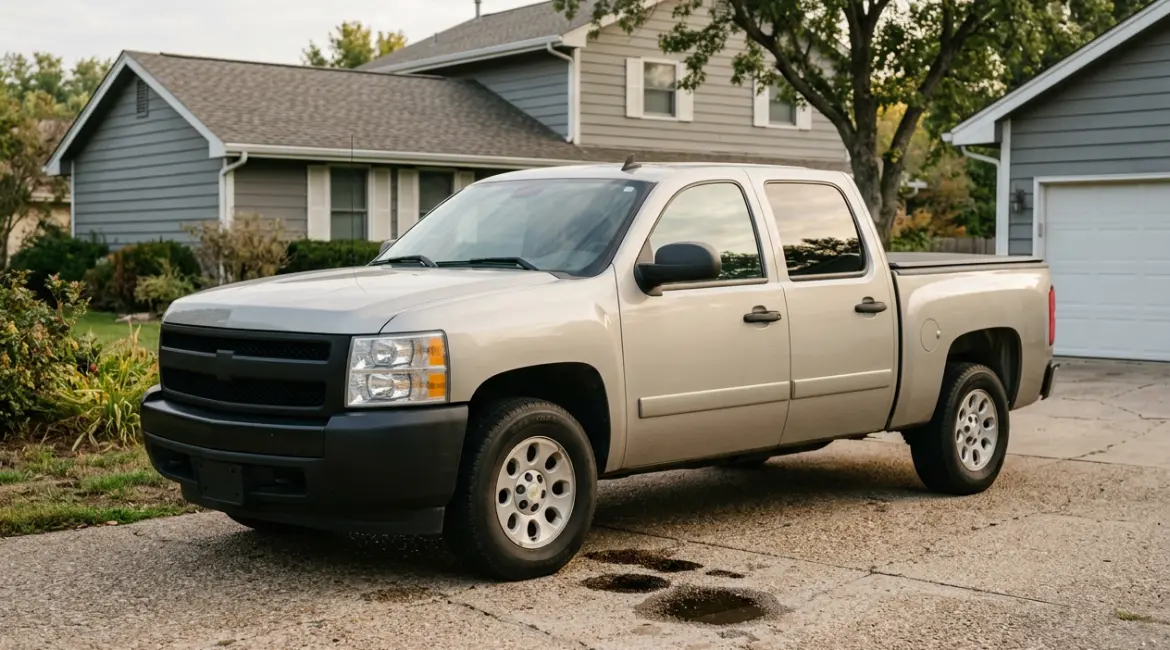
The 2007-2013 Chevrolet and GMC 5.3L V8 (Gen IV) is commonly diagnosed with excessive oil consumption tied to the Active Fuel Management (AFM) system. The AFM system deactivates four cylinders at highway speed to save fuel, but it is commonly linked to oil being pulled past worn piston rings into the combustion chamber. The result: your truck burns through oil fast, spark plugs foul out, and you may hear a lifter tick at startup. This affects the Silverado 1500, Sierra 1500, Tahoe, Suburban, and Avalanche with the 5.3L V8 from roughly 2007-2013.
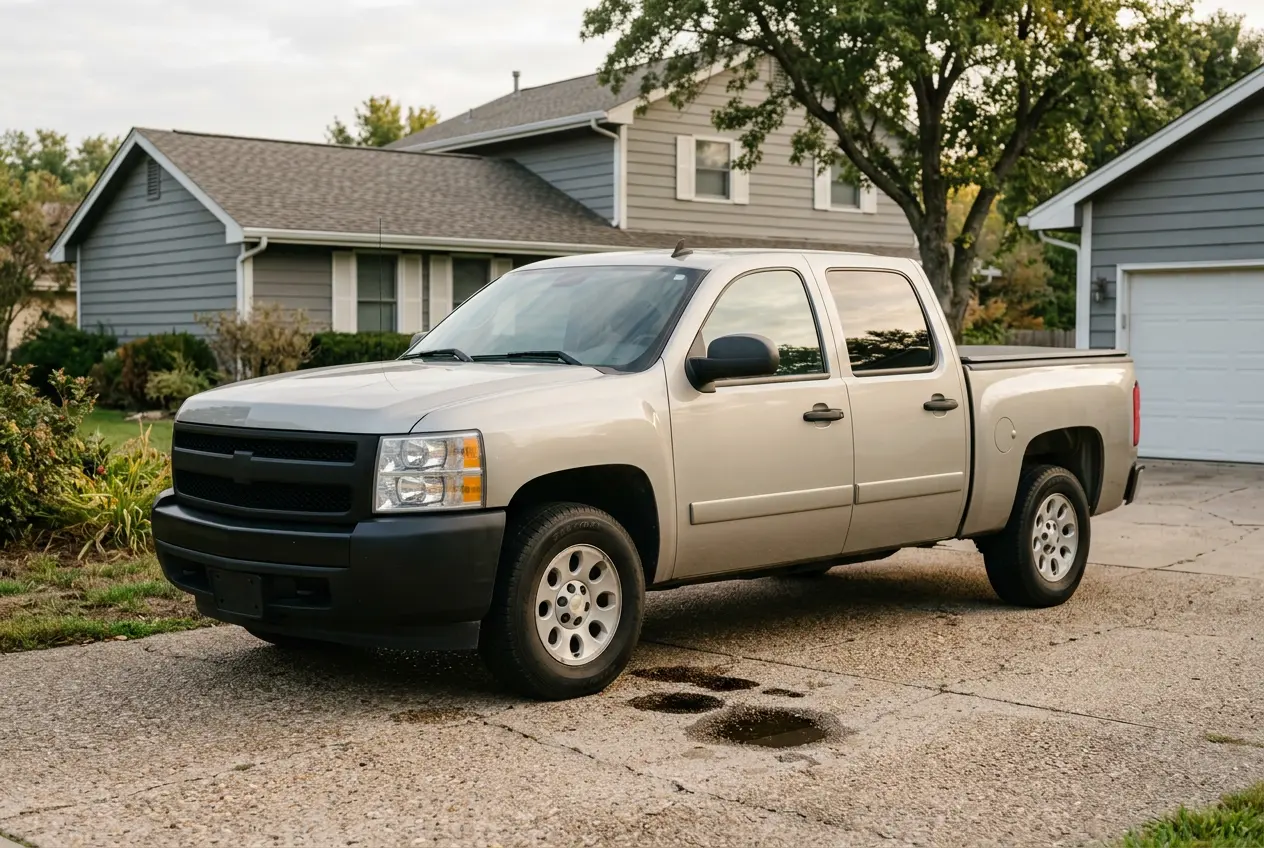
Which vehicles are affected?
This issue is commonly reported on roughly 2007-2013 GM trucks and SUVs with the 5.3L V8 and AFM (also called Displacement on Demand). The affected lineup includes:
- Chevrolet Silverado 1500 (5.3L V8)
- GMC Sierra 1500 (5.3L V8)
- Chevrolet Tahoe (5.3L V8)
- Chevrolet Suburban (5.3L V8)
- Chevrolet Avalanche (5.3L V8)
If you drive one of these and you are adding oil between changes, read on.
What is the AFM system and why does it cause oil consumption?
Active Fuel Management shuts down four of the eight cylinders when the engine does not need full power, such as steady highway cruising. It does this by collapsing special AFM valve lifters, which cut off oil and fuel to those cylinders.
The problem is commonly diagnosed as a combination of two things. First, the AFM Valve Lifter Oil Manifold (VLOM) can spray oil onto cylinder walls during the transition between V4 and V8 mode. Second, the piston rings on AFM cylinders tend to wear in a way that lets oil slip past them and burn in the combustion chamber. Over time, both issues compound each other.
What are the symptoms, and how do they progress?
The problem tends to build gradually. Here is how it typically moves from early to late stage:
| Stage | Symptom | Likely Cause | Urgency |
|---|---|---|---|
| Early | Oil level drops between changes, no warning lights | AFM VLOM spraying cylinder walls, early ring wear | Diagnose soon |
| Mid | Blue-gray smoke at startup or on deceleration, slight fuel smell | Oil burning in combustion chamber past worn rings | Schedule repair |
| Mid-Late | Fouled spark plugs, rough idle, misfires | Oil-soaked plugs on AFM cylinders (typically 1, 4, 6, 7) | Repair needed now |
| Late | Low oil pressure light, lifter tick, engine knock | Critically low oil, possible lifter or bearing damage | Stop driving |
Is it safe to keep driving with this problem?
At the early stage, you can continue driving if you check and top off the oil frequently. Missing that step is where owners get into serious trouble. If the oil pressure warning light comes on, pull over and shut the engine off as soon as it is safe. Running a low-oil engine even for a few minutes can cause permanent damage to bearings, lifters, and camshaft lobes.
Blue smoke on deceleration or a rough idle from misfires means the problem has moved past the early stage. At that point, monitor oil level every 200-300 miles and schedule a repair as soon as possible.
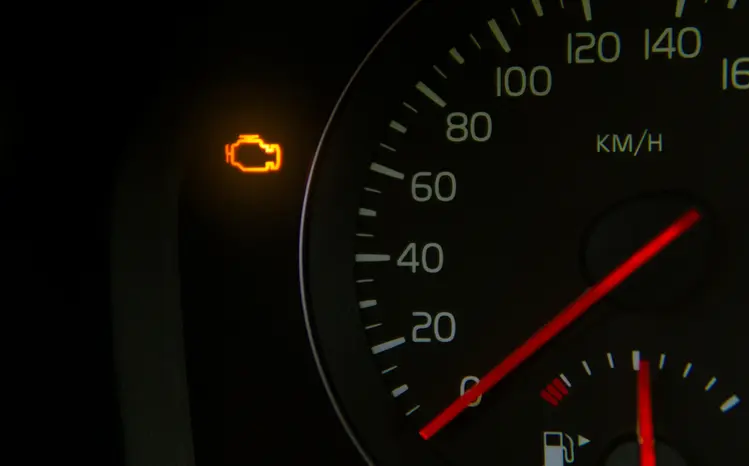
What does the repair involve?
There is no single fix because the problem can involve multiple components. The standard diagnostic process checks oil consumption rate, inspects the PCV system, and evaluates whether the issue is primarily the AFM hardware, the piston rings, or both.
Common repair paths include:
- AFM VLOM replacement: Replacing the Valve Lifter Oil Manifold addresses the oil-spraying issue. This is often the first step if ring wear is not yet severe.
- AFM delete kit: A delete kit replaces the AFM lifters with standard lifters and installs a tuner to disable the AFM system in the ECM. This prevents the system from cycling and is commonly used to stop further AFM-related wear.
- PCV system service: A clogged or failing PCV valve can increase crankcase pressure and push oil past the rings. Servicing the PCV is a low-cost step that is part of any thorough diagnosis.
- Piston ring replacement: If ring wear is significant, a full engine repair addressing the rings is the most complete fix. This is a major job but addresses the root cause when rings are the primary problem.
What does this repair cost?
Cost varies significantly depending on which repair path is needed. An AFM VLOM replacement is a moderate job. An AFM delete kit with tuning runs more. A full engine repair for piston rings is a major investment. What moves the price:
- Whether the issue is limited to the AFM hardware or has progressed to ring wear
- Whether the PCV system needs replacement at the same time
- How many spark plugs are fouled and need replacement
- Labor time, which varies by how much of the top end needs to come apart
- Parts quality: OEM versus aftermarket AFM delete components
There is no accurate single number without seeing the vehicle and confirming the consumption rate and engine condition. A thorough engine diagnostic is the right starting point before committing to any repair path.
If you run US-29 through Amherst County regularly, the rolling elevation changes in the Blue Ridge foothills mean your 5.3L cycles in and out of AFM mode constantly on those grades. That pattern accelerates the wear described above. Catching it early keeps the repair bill manageable.
Jeff Eddy, owner and ASE Certified technician, and the Chrome Auto Repair team will perform a full engine repair diagnostic, measure your oil consumption rate, and walk you through the repair options specific to your vehicle. All repairs are backed by a 3/36 warranty through O’Reilly parts, so you are covered whether you are in Madison Heights, out in Amherst County, or anywhere in between. A free shuttle (Uber) is available so you are not stuck waiting at the shop.
For related issues on GM trucks, see our post on the 2021-2024 GM 6.2L L87 engine recall. If you notice a coolant smell alongside the oil issue, our coolant leak repair guide covers the signs and causes. We also handle oil changes at our Madison Heights location. Customers nearby can also find us through our Daniels Hill service page and our Wright Shop location page.
Frequently Asked Questions
How much oil should a 2007-2013 5.3L V8 use between changes?
GM’s general guideline is no more than one quart per 2,000 miles. If your truck or SUV is using a quart every 1,000 miles or less, that is outside the normal range and worth diagnosing.
Will an AFM delete fix the oil consumption problem?
An AFM delete kit removes the active fuel management components and locks the engine in V8 mode. It is commonly used to stop the AFM system from contributing to oil consumption, but worn piston rings may still need to be addressed separately.
Can I keep driving if my oil light comes on?
No. A lit oil pressure warning light means stop the engine as soon as it is safe to do so. Running a low-oil engine even briefly can cause severe internal damage.
Will fouled spark plugs come back after I replace them?
Yes, if the underlying oil consumption issue is not fixed. Replacing plugs without addressing the AFM or ring problem is a short-term measure.
Is there a recall on the 5.3L AFM oil consumption issue?
The recall status for this issue is currently unconfirmed. Check your VIN at nhtsa.gov/recalls for the most current information on any active remedies for your vehicle.
Ready to get your Silverado, Sierra, Tahoe, Suburban, or Avalanche diagnosed? Call Chrome Auto Repair in Madison Heights or schedule an appointment online. Jeff Eddy, owner and ASE Certified technician, and the Chrome Auto Repair team are ready to help. Repairs backed by a 3/36 warranty. Free shuttle available.
