
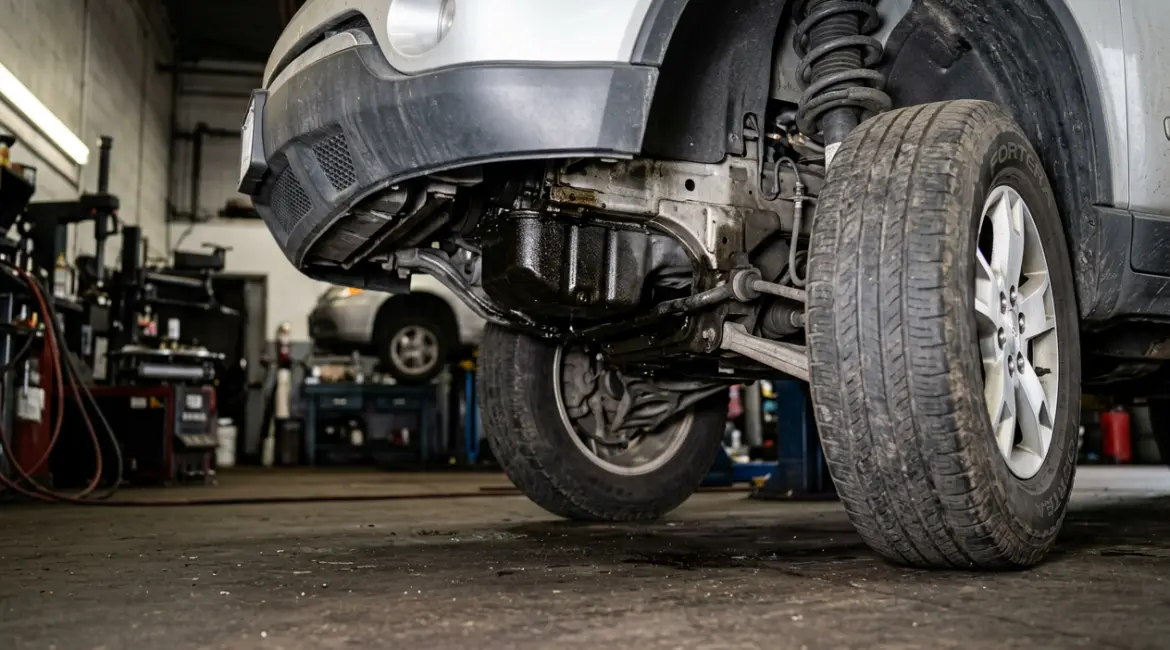
A cold-start rattle from a GM 3.6L V6 is commonly diagnosed as a stretched timing chain or worn tensioner. The two most likely causes are a chain that has grown slack from wear and a tensioner that can no longer hold it taut. Oil neglect accelerates both. This issue is commonly reported on roughly 2007-2014 vehicles with the 3.6L V6, including the Acadia, Traverse, Enclave, Equinox, Malibu, Impala, and CTS. Catching it early keeps it a planned repair rather than a roadside breakdown.
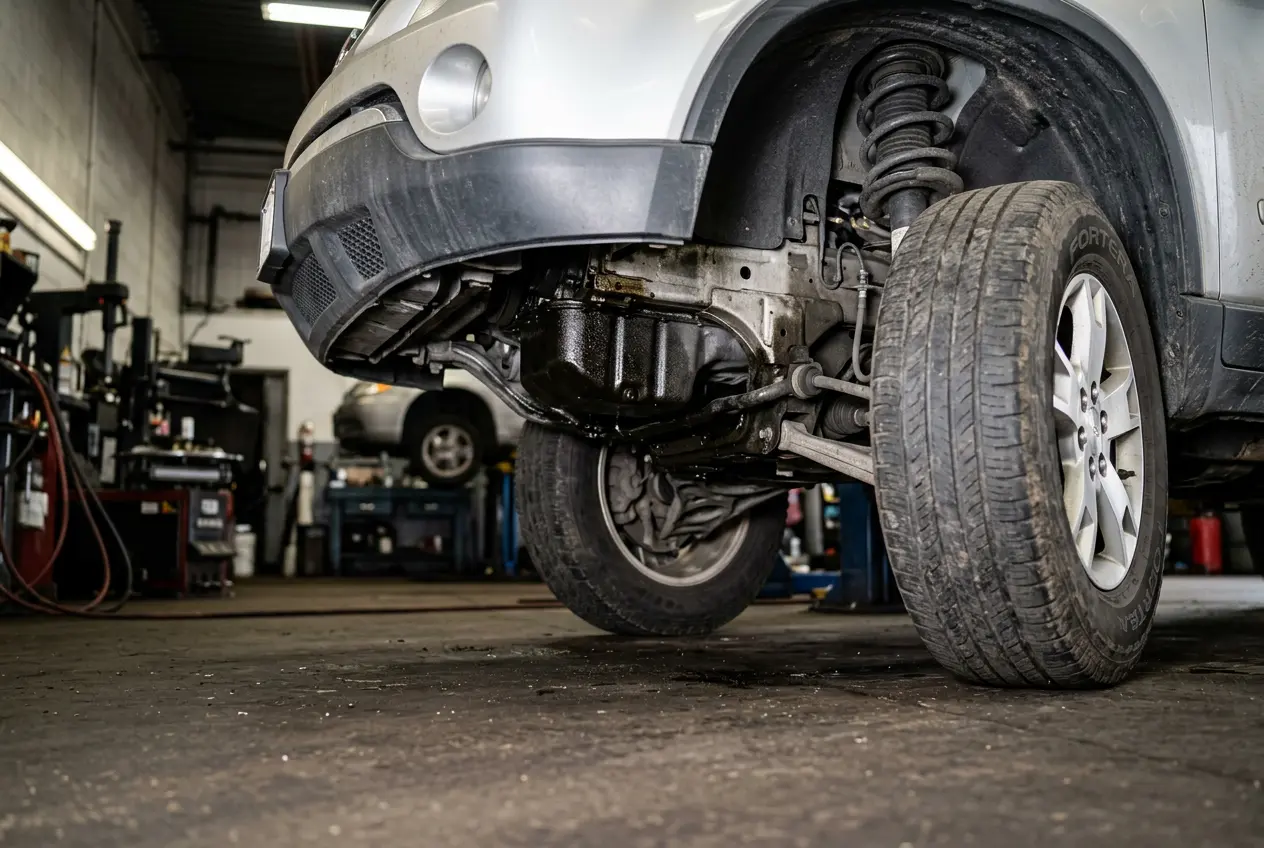
Which GM vehicles use the 3.6L V6 with this issue?
The timing chain stretch concern is commonly reported on roughly 2007-2014 GM vehicles with the 3.6L V6 (LLT, LFX, and related variants). That covers a wide range of platforms:
- GMC Acadia (2007-2014)
- Chevrolet Traverse (2009-2014)
- Buick Enclave (2008-2014)
- Chevrolet Equinox (2013-2014, 3.6L V6)
- Chevrolet Malibu (2009-2012, V6 models)
- Chevrolet Impala (2012-2014, 3.6L V6)
- Cadillac CTS (2008-2014, V6 models)
If your vehicle is on this list and you hear a rattle at cold start, treat it as a timing chain concern until a scan proves otherwise.
What does a stretched timing chain actually sound like?
The most recognizable sign is a metallic rattling or chattering noise right when you first start the engine in the morning. It usually lasts anywhere from a few seconds to about a minute, then fades as oil pressure builds and the tensioners pressurize. Some owners describe it as a maraca sound from the front of the engine. Over time the rattle lasts longer, and eventually it may not go away at all.
What check engine codes come with a 3.6L timing chain problem?
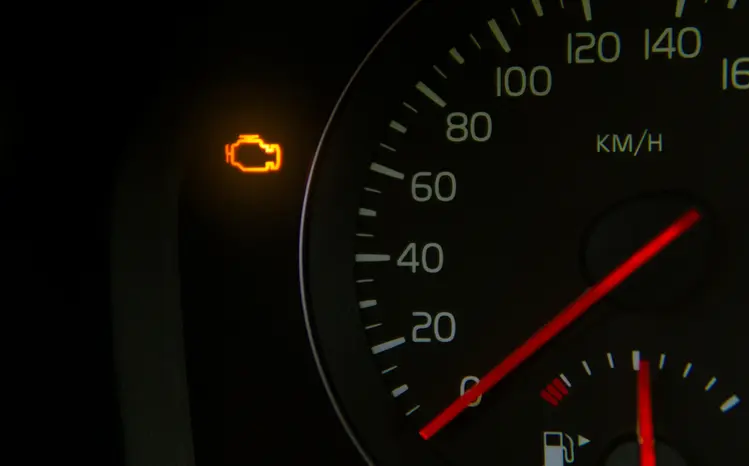
The engine control module monitors the relationship between the crankshaft and each camshaft. When the chain stretches, those positions drift out of spec and the module logs correlation codes. The most common ones on the 3.6L are:
- P0008, Engine position system performance, bank 1
- P0009, Engine position system performance, bank 2
- P0016, Crankshaft/camshaft correlation, bank 1, sensor A
- P0017, Crankshaft/camshaft correlation, bank 1, sensor B
- P0341, Camshaft position sensor circuit range/performance
These codes alone do not confirm a stretched chain. A worn cam phaser, a failing cam sensor, or low oil pressure can produce the same codes. A proper diagnosis includes a scan, a visual inspection, and often a timing chain wear measurement before any parts are ordered.
Why does oil change neglect make this worse?
The 3.6L timing chain system relies on hydraulic tensioners fed directly by engine oil pressure. When oil breaks down or the level drops, those tensioners lose their ability to keep the chain taut. A chain that runs loose wears faster, stretches further, and eventually skips. Staying on a regular oil change interval, typically every 5,000-7,500 miles with the correct viscosity, is the most direct way to slow chain wear on this engine.
Symptom stages: early, middle, and late
| Stage | What you notice | Likely finding | Urgency |
|---|---|---|---|
| Early | Brief cold-start rattle, no codes yet | Chain stretch beginning, tensioners marginal | Schedule soon |
| Middle | Rattle lasts longer, P0016/P0017 codes, reduced power | Chain stretched past spec, cam timing retarded | Repair promptly |
| Late | Rattle does not go away, oil pressure warning, engine stumbles or stalls | Chain has skipped, possible valve or piston contact | Stop driving, tow in |
Is it safe to keep driving with a timing chain rattle?
At the early stage, short trips to a shop are generally okay. At the middle or late stage, the answer is no. A chain that skips a tooth can cause the engine to stall without warning. In a worst-case scenario it can bend valves or cause piston-to-valve contact, turning a chain job into an engine rebuild. If the oil pressure warning light comes on alongside the rattle, stop driving and have the vehicle towed.
If you are commuting on the Expressway every day or running up toward the Blue Ridge foothills where the grades put extra load on the engine, a marginal chain has less margin for error than it would on flat highway miles. Get it checked before it decides for you.
What does a 3.6L timing chain replacement involve?
The repair requires removing the front engine cover to access the chain system. On most 3.6L applications that means pulling the harmonic balancer, the water pump, and various accessories to get to the chains. The standard repair replaces the primary timing chain, the secondary chains on both camshaft banks, the tensioners, the guides, and the cam phasers if they show wear. Reusing worn guides or tensioners alongside a new chain is a shortcut that leads to a repeat job.
For a full overview of engine repair services at Chrome Auto Repair, visit the Engine Repair page. If you are not sure whether your check engine light is chain-related or something else, the Diagnostics page explains how the shop approaches that process.
What does a timing chain repair cost on the 3.6L V6?
There is no honest single number without seeing the vehicle. Several things move the price:
- Which platform and how accessible the front cover is, labor time varies across the Acadia, CTS, and Equinox.
- Whether the cam phasers need replacement, worn phasers add parts cost, but skipping them on a high-mileage engine often means a second repair within a year.
- Oil consumption or sludge, engines that went too long between oil changes sometimes have sludge buildup that requires additional cleaning time.
- Whether any valvetrain damage has already occurred, a chain that has already skipped may mean additional diagnosis and parts.
The repair is labor-intensive regardless of platform. Getting a diagnosis first, before committing to parts, is the right sequence. If you are also due for an oil change, the Oil Changes page covers what Chrome Auto Repair offers there.
How does Chrome Auto Repair confirm a timing chain diagnosis?
The process starts with a scan for stored and pending codes, followed by a cold-start listen to characterize the rattle. From there, the technician checks oil level and condition, inspects for any oil pressure codes, and evaluates chain stretch against spec. Jeff Eddy, owner of Chrome Auto Repair, and the Chrome Auto Repair team will walk you through exactly what they find before any work begins. Repairs are backed by a 3/36 warranty through O’Reilly, so you have coverage after you leave the lot. A free shuttle is available if you need to get somewhere while the vehicle is in the bay.
Drivers in Daniels Hill, Wright Shop, and the surrounding Amherst County area can find location-specific service information at the Daniels Hill service page and the Wright Shop service page.
If you are dealing with a related engine leak, the post on coolant leak repair in Madison Heights covers what to watch for there. For other GM engine concerns, see the post on 5.3L V8 oil burning on the Silverado and Sierra.
Frequently Asked Questions
Can I keep driving with a timing chain rattle?
Short trips to a shop are okay at the early stage. Do not ignore it or delay. A stretched chain can skip a tooth and cause serious engine damage or a sudden stall. The longer you wait, the higher the repair bill.
What DTCs go with a 3.6L timing chain problem?
The most common codes are P0008, P0009, P0016, P0017, and P0341. These indicate cam-to-crank correlation errors caused by chain stretch or a worn tensioner. A scan is the first step in confirming the cause.
Does oil change frequency really matter for the timing chain?
Yes. The 3.6L timing chain runs in engine oil. Old or low oil reduces tensioner pressure and chain lubrication. Staying on a regular oil change schedule is the single best way to slow chain wear on this engine.
How long does a 3.6L timing chain replacement take?
It is a labor-intensive job. The front of the engine must come apart to access the chain system. Plan for at least a full day in the shop, sometimes two depending on what else is found during teardown.
Will the check engine light always come on before the chain fails?
Not always. A cold-start rattle that fades after a minute is often the first sign, before any codes appear. If you hear that rattle consistently on cold mornings, get it diagnosed right away rather than waiting for a light.
Hearing a rattle on startup in your GM 3.6L V6? Bring it to Chrome Auto Repair at 4998 South Amherst Highway in Madison Heights. Jeff Eddy, owner of Chrome Auto Repair, and the Chrome Auto Repair team will scan for timing codes, inspect the chain system, and give you a straight answer on what it needs. Repairs are backed by a 3/36 warranty through O’Reilly. A free shuttle is available so you are not stuck waiting. No need to make a trip into Lynchburg to a dealership, we handle this repair right here in the county.
